• |

    How to Build a Master Schedule

    Creating a master schedule for a school is a complex and crucial task that requires careful planning and consideration of various factors. A well-designed master schedule ensures that students receive a balanced and effective education while maximizing the efficient use of resources. In this guide, we will walk through the key steps to build a master schedule that meets the needs of students, teachers, and the overall educational institution.
  • | |

    The 3 C’s of CBT

    As counselors, adopting the 3 C’s of CBT (Catch, Check, Change) offers a structured and effective approach to address cognitive distortions in teenagers. By catching, checking, and changing negative thought patterns, we empower adolescents to navigate their emotions with resilience and embrace a healthier mindset.

  • |

    Identifying Strengths: A Self-Esteem Activity

    In this blog post, we’ll delve into a self-esteem activity that focuses on identifying individual strengths. By engaging in this activity, teenagers can discover and celebrate their unique qualities, talents, and accomplishments. This process not only boosts confidence but also encourages a mindset shift towards recognizing and appreciating personal strengths.

  • | |

    How Big is my Problem? Chart

    Navigating the challenges of growing up can be a daunting task for students. From school-related stress to personal issues, there are numerous problems that may seem insurmountable to young minds. That’s where school counselors step in, offering guidance, support, and assistance to help students overcome these hurdles. However, not all problems require the same level of intervention. To streamline this process, many counselors are turning to the “How Big Is My Problem?” chart, a valuable tool that helps students assess their issues and determine if counseling assistance is necessary. In this blog post, we will explore the benefits of this chart, both for students and for the counselors who play a pivotal role in their lives.

  • | |

    Middle School Bullying Lesson

    Every year we do our “annual middle school bullying lesson” with our students during the first month of school. We want to educate them on the definition of bullying, how to deal with a bully, and the consequences of bullying. It’s important to educate students on these concepts every year; the more you hear/learn about something then the more likely you are to remember it.

  • |

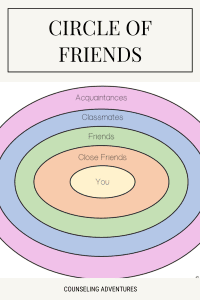
    Circle of Friends

    When most people think back on their middle school years, they tend to remember it being full of drama. Middle school is full of drama because friendships/relationships really start to change and grow throughout that time period. Key interpersonal skills and conflict resolution skills are developed in middle school. The Circle of Friends Activity is the perfect activity for talking to students about middle school friendships/relationships.

  • |

    Therapy Building Blocks

    If you ask my students about me, they’ll all say that I love playing with Building Blocks. I kind of think it’s hilarious that they spread little rumors about how much I love playing Building Blocks. I have random kids come up to me in the hallway asking if they can come play Building Blocks with me! As you can guess, I don’t actually LOVE Building Blocks. I play a lot of Therapy Building Blocks though and it’s become my favorite “get to know you” activity.