• | |

    How Big is my Problem? Chart

    Navigating the challenges of growing up can be a daunting task for students. From school-related stress to personal issues, there are numerous problems that may seem insurmountable to young minds. That’s where school counselors step in, offering guidance, support, and assistance to help students overcome these hurdles. However, not all problems require the same level of intervention. To streamline this process, many counselors are turning to the “How Big Is My Problem?” chart, a valuable tool that helps students assess their issues and determine if counseling assistance is necessary. In this blog post, we will explore the benefits of this chart, both for students and for the counselors who play a pivotal role in their lives.

  • | |

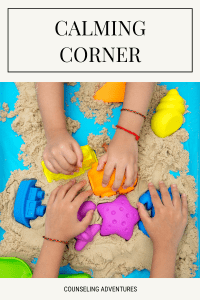
    Calming Corner

    Calming corners can be used in your house, in the classroom, and in your counseling office. I view calming corners as a way to help students regulate their emotions and focus on positive coping skills. Calming corners encourage students to cope with their negative emotions and “self-soothe”. Learning these positive coping skills at a young age is something that will help them throughout the rest of their lives!

  • |

    Minute Meetings

    The first time I heard about Minute Meetings my immediate reaction was “OMG that sounds impossible, this lady is crazy!” About 30 seconds later I thought “But it is pretty awesome.” And then every so often the thought would come back and I’d wonder if I could figure out how to do minute meetings at my school. Minute Meetings floated around in my head for about 2 months before I decided to just dive in!! Y’all know sometimes the best ideas are the crazy ones!

  • Student Needs Assessment

    I’ll be honest when I first became a school counselor I didn’t do a student needs assessment. I felt super lost those first few years and by the time things settled down it seemed too late to send out a needs assessment. The reality is it only takes 10 minutes to set up a student needs assessment in google forms and 5 minutes to determine how students will access your needs assessment. Set aside 15 minutes today to gather data that will help mold your counseling program!

  • Avoid Counselor Burnout

    It’s interesting that according to my blogging tools no one has used the internet to search for “school counselor burnout” this month. Basically telling me school counselor burnout is a terrible topic to discuss right now on my blog, but I think this is the perfect time to discuss counselor burnout. The reality is people aren’t searching counselor burnout because the beginning of a new school year brings hope and excitement. Hope that this year will be better, hope that this year things will get back to “normal”, and hope that we’ll find that passion in our worklife again. It’s an exciting time of the year for school counselors, but it’s also the time to set things in motion to avoid burnout. Everyone starts researching counselor burnout in March but the reality is by the time you’re searching the internet about burnout—you’re already done. The best thing you can do to avoid counselor burnout is to put these 10 tips in place now, before the burnout takes hold.

  • Self-Care Training for Staff

    If you have a professional development day coming up, then you seriously need to do have a session over self-care!! This time of the year is super stressful!! Everyone is talking data, the kids are getting antsy for spring break, and patience is running thin. I mean we’re past the 100 day mark and still repeating the same instructions as day one, it’s exhausting!! Use this PD day to remind teachers to take a little break, recharge their batteries, and relax a little. This one hour session discusses the importance of self-care, provides teachers with a list of positive coping strategies, provides multiple stations for teachers to practice self-care, and helps participants create a self-care action plan for the next month.